Inside this capsule: a seed of Linnaea (Twinflower) — and a story of friendship that began in 1950. Drag the capsule to face its label; the QR code is real.
The flower of Sweden
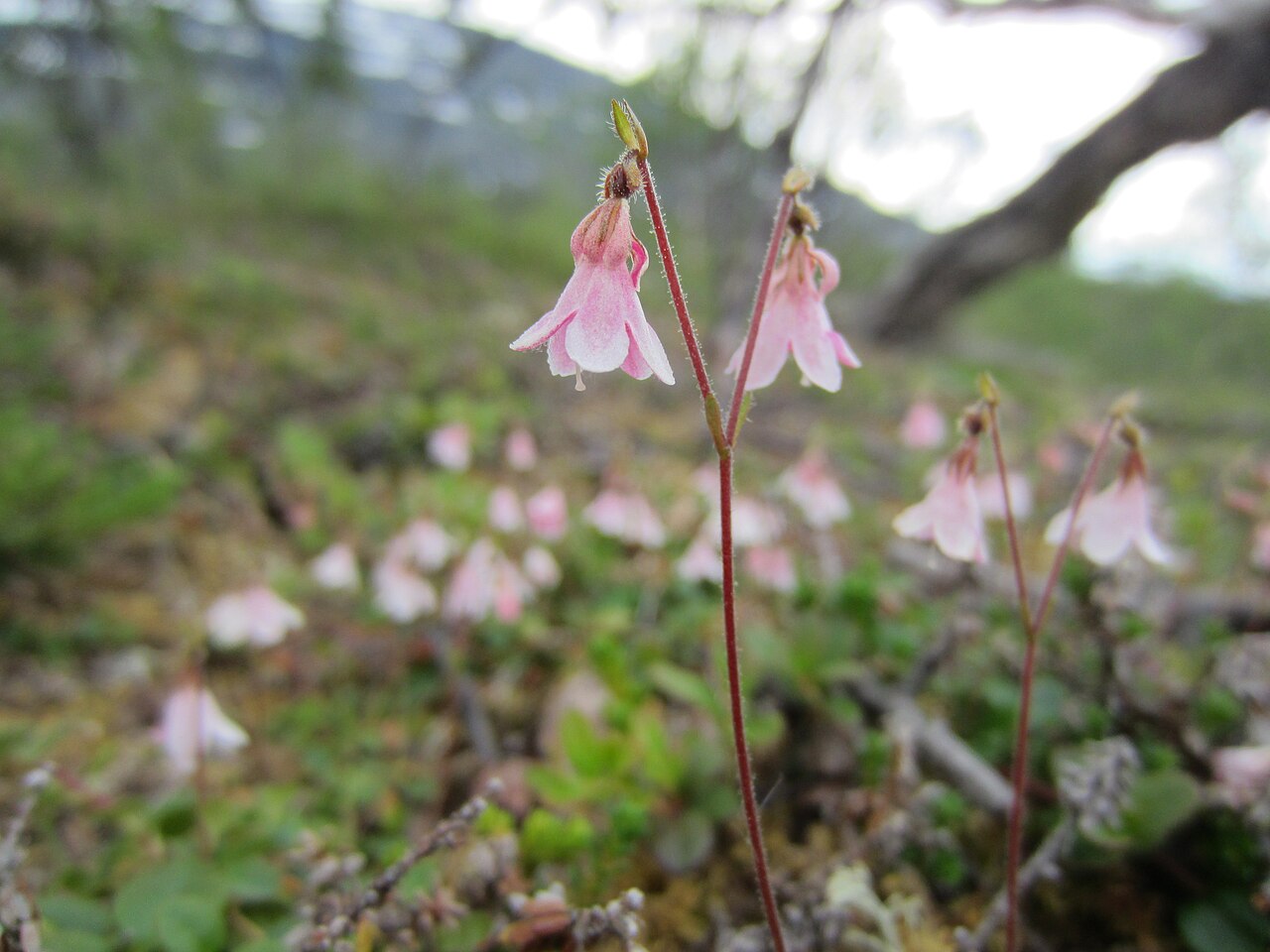
Linnaea (Twinflower)
Photo: Statskog SF · CC BY-SA 2.0
The delicate paired bloom of the northern forests, beloved of Carl Linnaeus, who named it for himself out of affection for 'a little flower, lowly and insignificant, flowering but for a brief space' — humility that endures.
Flower meaning
Linnaeus named the twinflower for himself — lowly, brief, easily missed. Two blooms on one stem: patient and healer, bent toward each other.
Growing your seed
Free the seed from its compostable kraft shell, then give it what linnaea (twinflower) asks for:
Light
Cool shade — a forest-floor plant
Water
Keep moist and cool
Sowing
Spreads by runners more than seed; be gentle
Bloom
June and July
Watch it grow
Seed
Sprout
Stem
Bloom
Jutta Andersson served in Korea as part of the Swedish Red Cross as a Step-Nurse. Born in Germany, Jutta Andersson’s family first moved to Latvia and then migrated to Stockholm, Sweden after WWII when she was twelve. She originally signed up for going to Korea because she thought it would be an adventure while attending…
The veterans of Sweden's field hospital wore no weapons, yet stood in the war's deepest currents of suffering and hope. Korean gratitude to the Scandinavian medical teams endures in the hospitals they helped build. Plant this twinflower for the healers.
“We Remember. We Grow Together.”
Voices from the archive
Stories from veterans, families and participants that carry the same values as the linnaea (twinflower) — retold from the record, never invented.
HealingSwedish Red Cross staff
First to Busan
The Swedish Red Cross Field Hospital opened in Busan in the autumn of 1950, among the first medical contributions of the war, and stayed years past the armistice. Its staff treated soldiers of every flag and Korean civilians without distinction. (TODO: verify exact dates)
Source: Swedish Red Cross mission records
ContinuityThe Scandinavian legacy
A hospital that became a school
With Denmark and Norway, Sweden helped found the National Medical Center in Seoul, which trained a generation of Korean physicians and nurses — mercy converted into an institution.
Source: National Medical Center, Seoul
Help this archive grow
Did someone in your family serve with Sweden in Korea — or were they healed, taught or befriended by those who did? Every entry is reviewed and verified with you before publication.
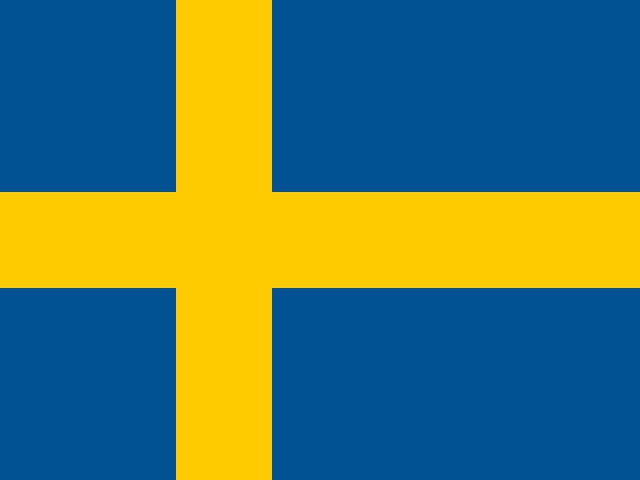
In honor of the men and women of Sweden who served under the United Nations flag in Korea, 1950–1953.
Sweden in the Korean War
Sweden was among the first nations to send medical aid, opening the Swedish Red Cross Field Hospital in Busan in the autumn of 1950. Its doctors and nurses treated soldiers of every flag and Korean civilians alike, and stayed on for years after the armistice — turning a wartime hospital into a foundation for peace. Together with Denmark and Norway, Sweden then helped establish the National Medical Center in Seoul, an institution that trained a generation of Korean physicians.
Historical passages are written with care and without invented figures; details still under review are marked for verification before print.
A nation, in character
Swedish culture prizes lagom — balance, sufficiency, care without spectacle. Its neutrality in war became, in Korea, a different kind of courage: healing as a national contribution. The twinflower, two blooms on one stem, could stand for medicine itself — two lives, patient and healer, bent toward each other.
Why the Linnaea (Twinflower)
The delicate paired bloom of the northern forests, beloved of Carl Linnaeus, who named it for himself out of affection for 'a little flower, lowly and insignificant, flowering but for a brief space' — humility that endures.