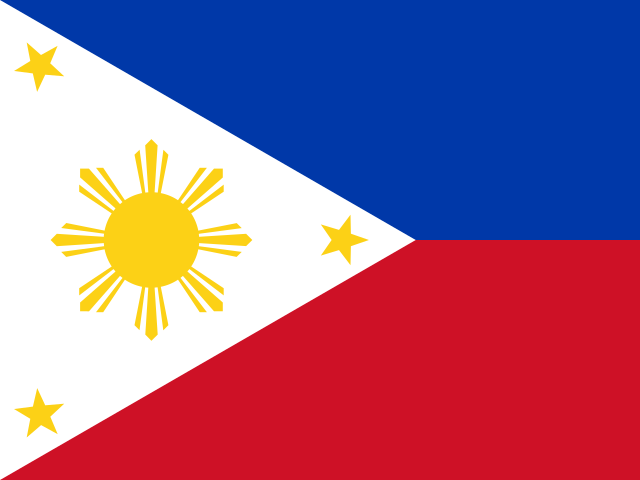
Inside this capsule: a seed of Sampaguita — and a story of friendship that began in 1950. Drag the capsule to face its label; the QR code is real.
The flower of Philippines
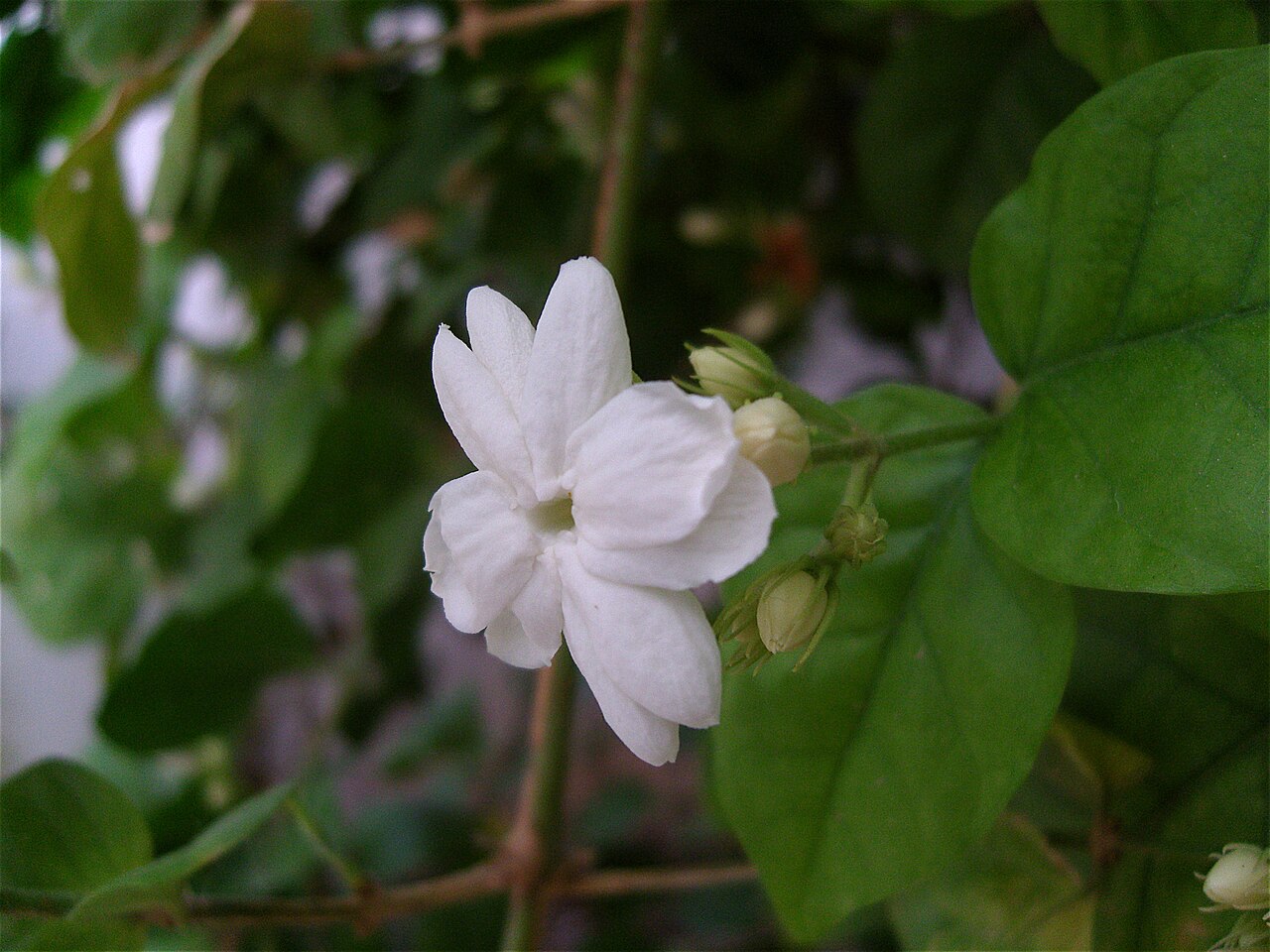
Sampaguita
Photo: Habib M'henni · CC BY-SA 3.0
The national flower of the Philippines — a small white jasmine woven into garlands of welcome, devotion and farewell. Its scent carries far beyond its size, like the service of a nation that crossed the sea for a neighbor.
Flower meaning
The sampaguita's garland is given at welcomes and farewells — small white blooms meaning purity, devotion and a promise kept.
Growing your seed
Free the seed from its compostable kraft shell, then give it what sampaguita asks for:
Light
Warm sun, sheltered from wind
Water
Keep evenly moist
Sowing
Strike cuttings in spring warmth
Bloom
Year-round in warm climates
Watch it grow
Seed
Sprout
Stem
Bloom
Jesus L. Balaoro enlisted in the Philippine Army in 1952 after leaving high school. He completed basic training in Marikina and was deployed to Korea from 1953 to 1954, where he served in B Company. His main responsibility was operating 60 mm mortars during combat. Committed to his duty, Balaoro was prepared to sacrifice his…
PEFTOK veterans returned home to quiet lives, their story kept alive by their families and by Korea's gratitude. Yultong is remembered each April; scholarships and memorials link the two nations still. Plant this sampaguita and let its fragrance keep their vigil.
“We Remember. We Grow Together.”
Voices from the archive
Stories from veterans, families and participants that carry the same values as the sampaguita — retold from the record, never invented.
BayanihanPEFTOK veterans and families
Yultong, every April
Veterans of the 10th Battalion Combat Team and their descendants mark the Battle of Yultong each April, in ceremonies held in both the Philippines and Korea. (TODO: verify current ceremony details)
Source: PEFTOK veterans' associations
ContinuityThe next generation
A scholarship between nations
Korea funds scholarships and revisit programs for the descendants of Filipino veterans — a friendship that is, quite literally, sending grandchildren to school. (TODO: verify program names)
Source: Korean Ministry of Patriots and Veterans Affairs programs
Help this archive grow
Did someone in your family serve with Philippines in Korea — or were they healed, taught or befriended by those who did? Every entry is reviewed and verified with you before publication.
In honor of the men and women of Philippines who served under the United Nations flag in Korea, 1950–1953.
Philippines in the Korean War
The Philippines was the first Asian nation to commit ground troops to the UN effort, sending the Philippine Expeditionary Force to Korea (PEFTOK). Its battalion combat teams fought through the war's hardest years; at Yultong in April 1951, the 10th Battalion Combat Team held its ground against a massive offensive in an action still commemorated in both countries. Filipino soldiers arrived in a land whose winters they had never known, and served with distinction far from home.
Historical passages are written with care and without invented figures; details still under review are marked for verification before print.
A nation, in character
Filipino culture is built on bayanihan — the spirit of neighbors carrying one another's burdens, embodied in the image of a village lifting a house together. Sending its soldiers to Korea was bayanihan on a national scale: a young republic, itself rebuilding from war, choosing to help another rise. The sampaguita garland, given in welcome and in parting, holds that same meaning of shared humanity.
Why the Sampaguita
The national flower of the Philippines — a small white jasmine woven into garlands of welcome, devotion and farewell. Its scent carries far beyond its size, like the service of a nation that crossed the sea for a neighbor.