Inside this capsule: a seed of Tulip (Lâle) — and a story of friendship that began in 1950. Drag the capsule to face its label; the QR code is real.
The flower of Türkiye
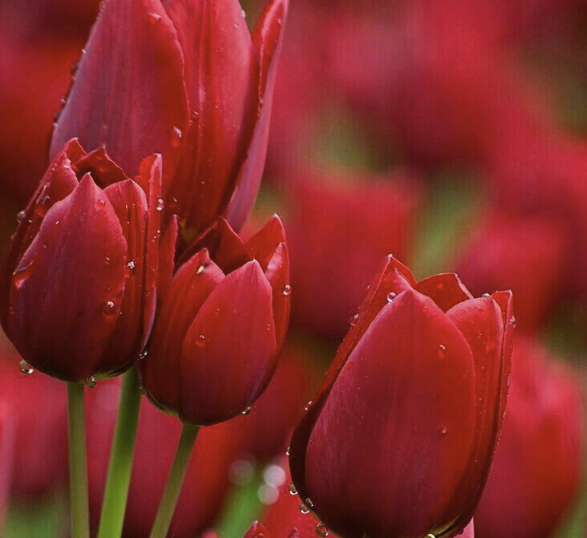
Tulip (Lâle)
Photo: -
Long before it reached Europe, the tulip bloomed wild in Anatolia and adorned Ottoman art as the lâle — a symbol of divine beauty and the fleeting preciousness of life.
Flower meaning
In Ottoman art the lâle stood for divine beauty and the preciousness of a single life — one stem, one bloom, one soul.
Growing your seed
Free the seed from its compostable kraft shell, then give it what tulip (lâle) asks for:
Light
Full sun
Water
Sparing — bulbs dislike wet feet
Sowing
Plant bulbs in autumn
Bloom
April and May
Watch it grow
Seed
Sprout
Stem
Bloom
Mehmet Aksoy served in the Turkish Army during the Korean War. His father worked as a builder, and his mother was a housewife. Mehmet completed his education up to the fourth grade, which was quite common at the time. He volunteered for the army and went to Korea in 1952, serving on the battlefronts as…
Turkish veterans are honored in Korea as kan kardeşleri — blood brothers — and their descendants are greeted as family. Between Ankara and Seoul the friendship remains among the warmest of any two allied nations. This red tulip blooms for them: for those who stayed, and for the brotherhood that came home.
“We Remember. We Grow Together.”
Voices from the archive
Stories from veterans, families and participants that carry the same values as the tulip (lâle) — retold from the record, never invented.
TendernessA documented story
Ayla
In the winter of 1950, Turkish Sergeant Süleyman Dilbirliği found a freezing, orphaned girl on the battlefield and carried her back to his unit, who named her Ayla — halo of the moon. Sixty years later the two were reunited on Korean television; their story became the 2017 film Ayla: The Daughter of War.
Source: Documented; dramatized in 'Ayla' (2017)
CareSoldiers as teachers
The Ankara School in Suwon
Amid the fighting, soldiers of the Turkish Brigade founded a school for children orphaned by the war — the Ankara School in Suwon. Koreans still cite it as the seed of the two nations' blood brotherhood.
Source: Ankara Park and school site, Suwon
Help this archive grow
Did someone in your family serve with Türkiye in Korea — or were they healed, taught or befriended by those who did? Every entry is reviewed and verified with you before publication.
In honor of the men and women of Türkiye who served under the United Nations flag in Korea, 1950–1953.
Türkiye in the Korean War
The Turkish Brigade was among the first to answer the UN call, and at Kunu-ri in November 1950 its rear-guard stand covering the withdrawal of allied forces became one of the war's defining acts of sacrifice. Turkish soldiers fought again with distinction at Kumyangjang-ni, earning citations and a reputation for extraordinary courage. Out of that shared trial grew the bond Koreans and Turks still call kan kardeşliği — blood brotherhood.
Historical passages are written with care and without invented figures; details still under review are marked for verification before print.
A nation, in character
Türkiye stands where continents meet, and its culture prizes hospitality as a sacred duty: a guest is sent by God. In Korea that warmth became legend — Turkish soldiers founded the Ankara School in Suwon for children orphaned by the war, a story of tenderness amid battle retold in both nations to this day. The lâle tulip, curved like a crescent, is Anatolia's oldest love letter to beauty.
Why the Tulip (Lâle)
Long before it reached Europe, the tulip bloomed wild in Anatolia and adorned Ottoman art as the lâle — a symbol of divine beauty and the fleeting preciousness of life.